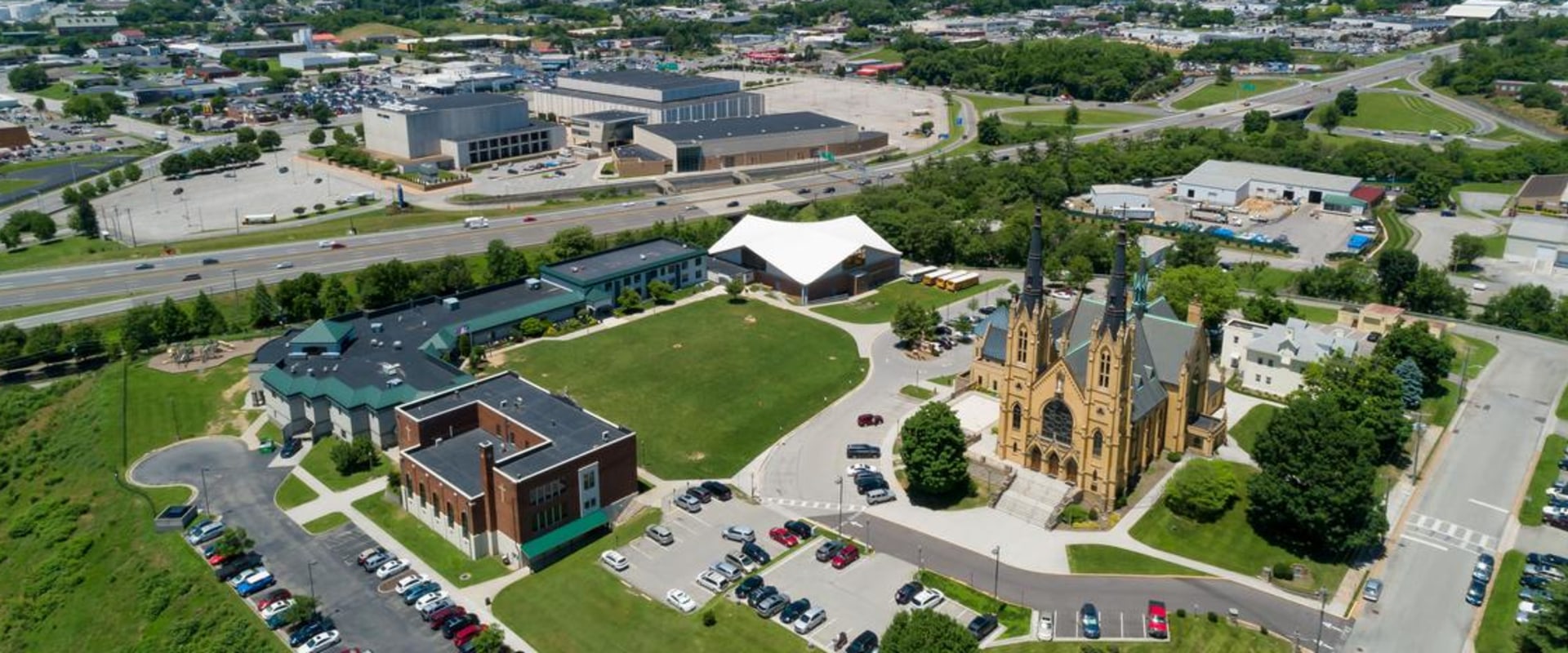
Private schools, often referred to as independent schools, have played a significant role in the American education landscape for centuries. These institutions are funded through tuition payments, private contributions, and endowments rather than relying on government funding. This financial independence allows private schools to operate with greater flexibility in their curricula and teaching methods, often tailoring their educational approaches to meet the specific needs of their students. As a result, many parents view private schools as an attractive alternative to public education, particularly in areas where public schools may be underfunded or overcrowded.The history of private schools in the United States dates back to the colonial era when education was primarily provided by religious institutions and private tutors.
Over time, these early forms of education evolved into more structured institutions, with many private schools establishing themselves as centers of academic excellence. Today, private schools encompass a wide range of educational philosophies and approaches, from traditional preparatory schools to progressive institutions that emphasize experiential learning.In contemporary society, private schools serve a diverse student population and offer various programs that cater to different interests and learning styles. Some focus on rigorous academic standards and college preparatory courses, while others may emphasize arts, sciences, or religious education. This diversity allows families to choose a school that aligns with their values and educational goals for their children.As we delve deeper into the topic of private schools, it is essential to understand not only their advantages but also the challenges they face.
While many parents are drawn to the perceived benefits of smaller class sizes and specialized programs, it is crucial to consider factors such as accessibility and affordability. By examining these aspects, we can better appreciate the role that private schools play in shaping the educational experiences of students across the nation.
The Myths Surrounding Private High Schools
When it comes to private high schools, a number of myths and misconceptions often cloud the decision-making process for parents. Understanding these myths is essential for making informed choices about a child's education.Myth 1: Private Schools Guarantee Better Academic Performance
One of the most pervasive beliefs is that attending a private school automatically leads to superior academic outcomes. While many private schools do boast impressive test scores and college acceptance rates, research indicates that these factors are not solely attributable to the school itself.
Instead, family background plays a significant role in student success. For instance, students from families with higher educational attainment tend to perform better academically, regardless of whether they attend public or private institutions.
Myth 2: Private Schools Are Exclusively for the Wealthy
Another common misconception is that private schools are only accessible to affluent families. While it is true that many private institutions have high tuition fees, there are also numerous options that offer financial aid and scholarships. In fact, many private schools actively seek to diversify their student bodies by providing assistance to families from various economic backgrounds.
This means that a quality education at a private school may be more attainable than some parents realize.
Myth 3: Private Schools Have Better College Admission Rates
Many parents believe that enrolling their child in a private school will significantly enhance their chances of gaining admission to prestigious colleges and universities. However, this is not necessarily the case. Admissions committees consider a variety of factors beyond the type of school attended, including standardized test scores, extracurricular activities, and personal essays. Public school students can and do gain admission to elite institutions, often demonstrating that success is not limited to those who attend private schools.
Myth 4: All Private Schools Offer Superior Resources
While some private schools may have extensive resources, such as advanced technology and specialized programs, this is not universally true.
The quality of resources can vary widely among private institutions. Parents should conduct thorough research and visit schools to assess their facilities and offerings rather than assuming all private schools provide the same level of support.In conclusion, debunking these myths surrounding private schools is crucial for parents navigating their educational options. By understanding the realities behind these misconceptions, families can make more informed decisions that align with their child's unique needs and aspirations.
The Advantages of Private High Schools
When considering educational options for their children, many parents find themselves weighing the benefits of private high schools against those of public institutions. One of the most significant advantages of private schools is their smaller class sizes.This feature allows for a more intimate learning environment where teachers can devote more time and attention to each student. In contrast to public schools, where classrooms can often exceed 30 students, private schools typically maintain a student-to-teacher ratio that fosters personalized instruction.Another compelling reason to choose a private high school is the availability of specialized programs. Many private institutions offer unique curricula that cater to specific interests or talents, such as advanced placement courses, arts programs, or STEM-focused initiatives. This specialization not only enhances the educational experience but also allows students to explore their passions in a supportive setting.Furthermore, private schools often emphasize individualized attention.
Teachers in these settings are generally more accessible and can tailor their teaching methods to accommodate different learning styles. This adaptability can be particularly beneficial for students who may struggle in a traditional classroom environment or those who excel and require more challenging material.In addition to academic advantages, private high schools frequently provide a range of extracurricular activities that promote personal growth and social development. From sports teams to debate clubs and community service initiatives, these opportunities allow students to build leadership skills and form lasting friendships.Moreover, many private schools have strong connections with local businesses and organizations, which can lead to valuable internship opportunities and networking possibilities for students. This real-world experience is invaluable as they prepare for college and future careers.Ultimately, the decision to enroll a child in a private high school should be based on a thorough understanding of the potential benefits.
While the financial investment may be significant, the advantages—such as smaller class sizes, specialized programs, individualized attention, and enhanced extracurricular offerings—can provide a solid foundation for academic success and personal development.
The Disadvantages of Private High Schools
While private high schools often present themselves as the pinnacle of educational excellence, it is crucial for parents to consider the disadvantages that accompany this choice. Understanding these drawbacks can help families make informed decisions about their child's education.One of the most significant challenges associated with private high schools is the high tuition costs. Unlike public schools, which are funded by taxpayer dollars, private institutions rely on tuition fees to operate. This can lead to annual costs that range from several thousand to over fifty thousand dollars, depending on the school and its location.For many families, this financial burden can be overwhelming and may require sacrifices in other areas of their lives.Moreover, the high cost of tuition often correlates with a lack of diversity within private schools. Many private institutions cater to affluent families, which can result in a student body that lacks representation from various socioeconomic backgrounds. This homogeneity can limit students' exposure to different cultures and perspectives, which are essential for fostering empathy and understanding in an increasingly globalized world.Additionally, the emphasis on academic rigor and college preparation in private high schools can create a high-pressure environment. Students may feel compelled to excel not only academically but also in extracurricular activities, leading to stress and anxiety.
This pressure can detract from the overall educational experience, making it less enjoyable and more about meeting expectations than fostering a love for learning.Another drawback is the potential for limited access to resources. While some private schools boast state-of-the-art facilities and advanced technology, others may not have the same level of funding or support. This inconsistency can affect the quality of education provided, as not all private institutions are created equal.Finally, parents should consider the lack of accountability that often accompanies private education. Public schools are subject to state regulations and standardized testing requirements, ensuring a certain level of educational quality.
In contrast, private schools have more autonomy and may not be held to the same standards. This lack of oversight can lead to variations in curriculum quality and teaching effectiveness.In conclusion, while private high schools offer unique advantages, they also come with significant disadvantages that families must weigh carefully. From financial implications to issues of diversity and accountability, understanding these challenges is essential for making an informed decision about your child's education.
Comparing Private and Public Schools: A Comprehensive Analysis
When considering the educational landscape, the debate between private and public schools is a significant one. Each type of institution offers distinct advantages and challenges that can impact a student's academic journey and overall development.Understanding these differences is crucial for parents as they navigate their options.
Academic Performance
One of the most frequently cited differences between private and public schools is academic performance. Research indicates that students in private schools often score higher on standardized tests compared to their public school counterparts. However, this disparity can be attributed to several factors:
- Selective Admissions: Private schools typically have selective admissions processes, allowing them to curate a student body that may already be predisposed to academic success.
- Parental Involvement: Families who choose private education often have higher levels of engagement in their children's education, which can positively influence student outcomes.
- Resources: Many private schools have access to more funding per student, enabling them to offer advanced placement courses, specialized programs, and extracurricular activities that enhance learning.
Resources and Facilities
In terms of resources, private schools generally boast superior facilities and smaller class sizes. This environment fosters personalized attention from teachers, which can be particularly beneficial for students who thrive with individualized instruction.
Public schools, while often larger and more diverse, may struggle with overcrowding and limited resources due to budget constraints.
Student Outcomes
The long-term outcomes for students from both types of schools also warrant consideration. Graduates from private schools often report higher rates of college attendance and completion. However, it is essential to recognize that public school students can also achieve remarkable success, particularly when they have access to strong support systems and resources within their communities.Ultimately, the choice between private and public education should be based on a comprehensive evaluation of each child's unique needs, family values, and financial considerations. By weighing the pros and cons of each option, parents can make informed decisions that align with their educational goals for their children.
The Role of Family Background in Education Success
When discussing the factors that contribute to educational success, one cannot overlook the significant role that family background plays.Research consistently shows that a child's home environment, parental involvement, and socioeconomic status are critical determinants of academic achievement. This reality is particularly relevant in the ongoing debate between private and public schooling.
Family Influence on Education
- Parental Education: Studies indicate that children whose parents have higher levels of education tend to perform better academically. This correlation can be attributed to various factors, including the ability of educated parents to provide academic support, foster a love for learning, and set high expectations for their children.
- Socioeconomic Status: Families with greater financial resources often have access to better educational opportunities, such as tutoring, extracurricular activities, and advanced placement courses. This access can enhance a child's educational experience and improve their chances of success.
- Parental Involvement: Active participation by parents in their child's education—whether through attending school events, helping with homework, or communicating with teachers—has been shown to positively impact student outcomes.
Private schools often encourage this involvement through smaller class sizes and more personalized communication.
The Impact of Family Background on Schooling
The influence of family background extends beyond just academic performance; it also shapes a child's attitude towards education. Children from supportive families are more likely to view education as a valuable pursuit, while those from less engaged backgrounds may struggle with motivation and self-esteem.This dynamic raises important questions about the effectiveness of private schools in leveling the playing field. While private institutions often boast smaller class sizes and tailored curricula, they cannot fully compensate for the advantages that come from a supportive family environment. In fact, many studies suggest that the benefits associated with private schooling are often intertwined with the socioeconomic status of the families who choose them.In conclusion, while private schools may offer certain advantages, it is essential to recognize that family background plays a pivotal role in shaping educational success.
Understanding this relationship is crucial for parents making decisions about their children's education and for policymakers aiming to improve educational outcomes across all types of schools.
Navigating the Admissions Process for Private High Schools
Navigating the admissions process for private high schools can be a daunting task for many families. Understanding the steps involved and preparing adequately can significantly enhance your child's chances of acceptance. Here are some essential tips to help you through this journey.Understanding the Timeline
Most private high schools have specific application timelines that can vary widely. Typically, the admissions process begins in the fall of the year prior to enrollment.It’s crucial to familiarize yourself with each school's deadlines for:
- Application submission
- Standardized testing
- Interviews
- Financial aid applications
Gathering Required Documents
Private schools often require a variety of documents as part of the application process. Commonly requested items include:- Transcripts from previous schools
- Standardized test scores , such as SSAT or ISEE
- Letters of recommendation from teachers or administrators
- A personal statement or essay from the student
- Family financial information for those applying for aid
Preparing for Interviews and Assessments
Many private schools conduct interviews as part of their admissions process. This is an opportunity for both the school and your child to assess fit. To prepare:- Practice common interview questions, such as "What are your interests?" or "Why do you want to attend this school?"
- Encourage your child to ask questions about the school, demonstrating their interest and engagement.
- Dress appropriately, as first impressions matter.
Highlighting Unique Qualities
Private schools often look for students who will contribute positively to their community.Encourage your child to showcase their unique talents, interests, and experiences in their application materials. Whether it’s involvement in sports, arts, community service, or academic achievements, these elements can set them apart from other candidates.By understanding the admissions process and preparing thoroughly, you can help your child navigate this critical step toward their educational future with confidence.
Success Stories: Private School Alumni Achievements
When considering the merits of private schools, one cannot overlook the impressive achievements of their alumni. Many private high schools boast a long list of successful graduates who have made significant contributions across various fields, from business and politics to arts and sciences. These success stories serve as compelling evidence for families contemplating the investment in a private education.For instance, Harvard-Westlake School in Los Angeles has produced numerous notable alumni, including James Franco, an acclaimed actor and filmmaker, and Jenna Elfman, a well-known actress.Their journeys from private school students to Hollywood stars highlight how a strong educational foundation can pave the way for success in competitive industries.Similarly, Phillips Exeter Academy , one of the most prestigious private schools in the United States, counts among its alumni former U. S. President George H. W.
Bush and renowned author Dan Brown. Their accomplishments not only reflect personal success but also underscore the potential for leadership and innovation fostered within the walls of private institutions.In the realm of business, graduates from private schools often find themselves at the helm of major corporations. For example, The Dalton School in New York City has produced influential figures such as David Brooks, a prominent political commentator, and Ruth Bader Ginsburg, a former Supreme Court Justice known for her groundbreaking work in gender equality and civil rights.The arts are another area where private school alumni shine brightly. The Spence School , also in New York City, has nurtured talents like Claire Danes, an Emmy Award-winning actress, and Kristen Wiig, a celebrated comedian and writer.
Their successes illustrate how a supportive educational environment can cultivate creativity and confidence.Moreover, many private schools emphasize community service and leadership development, which can lead to impactful careers in non-profit organizations and public service. Alumni from schools like The Brearley School have gone on to make significant contributions to social justice initiatives, demonstrating that a private education can also inspire a commitment to making the world a better place.In conclusion, while the debate over the value of private education continues, the success stories of alumni from these institutions provide tangible examples of how such an education can lead to remarkable achievements. For families weighing their options, these narratives serve as powerful motivators to consider the potential long-term benefits of enrolling their children in private high schools.
Conclusion: Making an Informed Decision About Education Options
As we draw our discussion to a close, it is essential to reflect on the multifaceted nature of educational choices, particularly when it comes to private schools. Throughout this article, we have explored various aspects of private high schools, from their historical context to their perceived advantages and disadvantages.The decision to enroll a child in a private school is not one to be taken lightly; it requires careful consideration of numerous factors.One of the most significant points highlighted is the impact of family background on student success. While private schools often boast impressive standardized test scores and college admission rates, research indicates that these outcomes are frequently influenced more by the socioeconomic status and educational level of parents than by the school itself. This suggests that while private institutions can offer valuable resources and opportunities, they are not a guaranteed pathway to success.Moreover, the smaller class sizes and tailored curricula found in many private schools can provide an enriching environment for students with specific learning needs or those seeking a more personalized educational experience. However, these benefits come at a cost—both financially and in terms of accessibility.
Many families may find themselves priced out of these options, which raises important questions about equity in education.As parents weigh their options, it is crucial to consider not only the reputation of a school but also how well it aligns with their child's unique needs and aspirations. Factors such as teaching philosophy, extracurricular offerings, and community values should play a significant role in this decision-making process.In conclusion, whether leaning towards private schools or public education, parents must engage in thorough research and reflection. By understanding the realities behind the myths surrounding private education, families can make informed choices that best serve their children's futures. Ultimately, the goal is to provide an environment where students can thrive academically, socially, and emotionally—regardless of the type of school they attend.